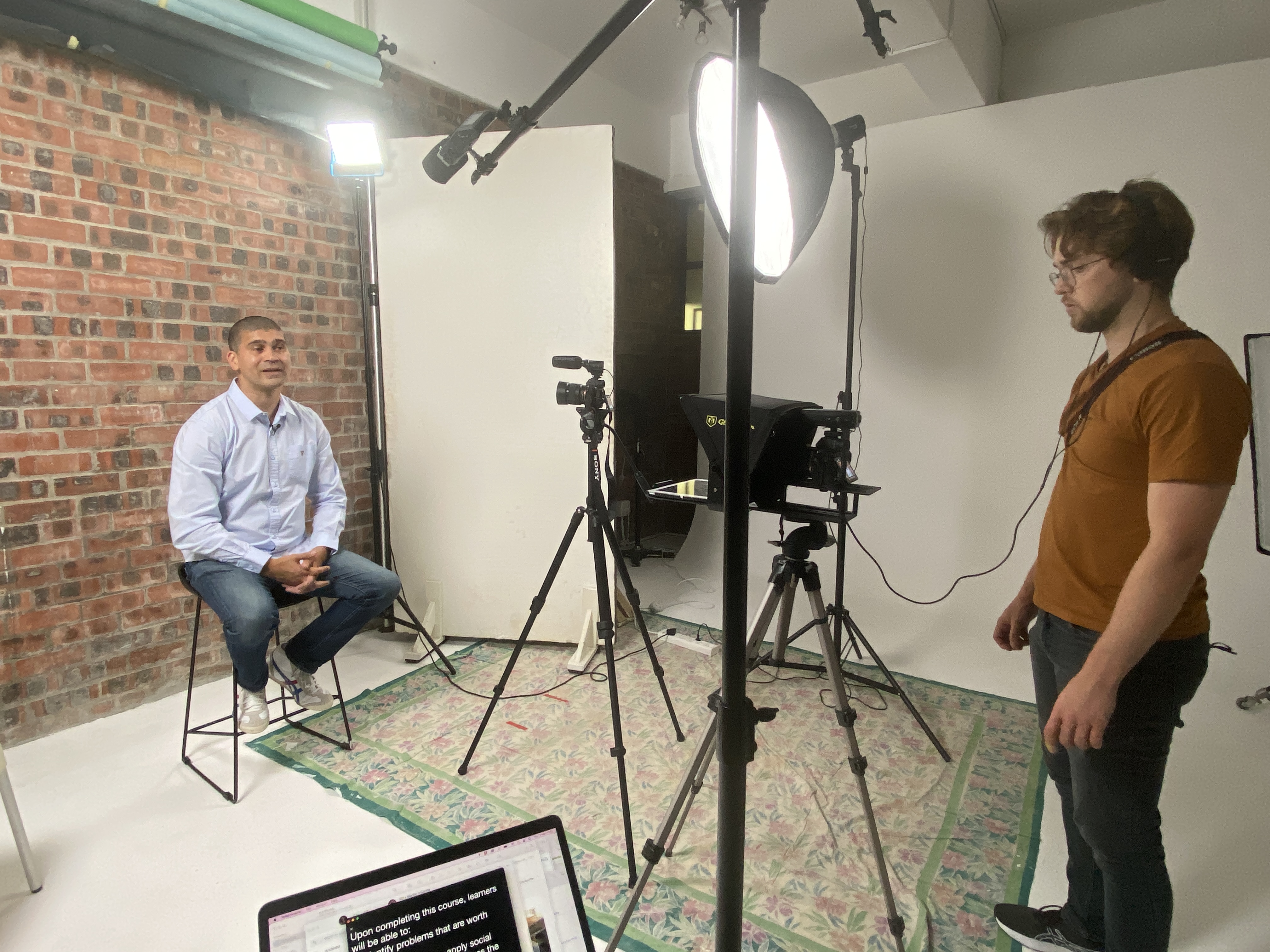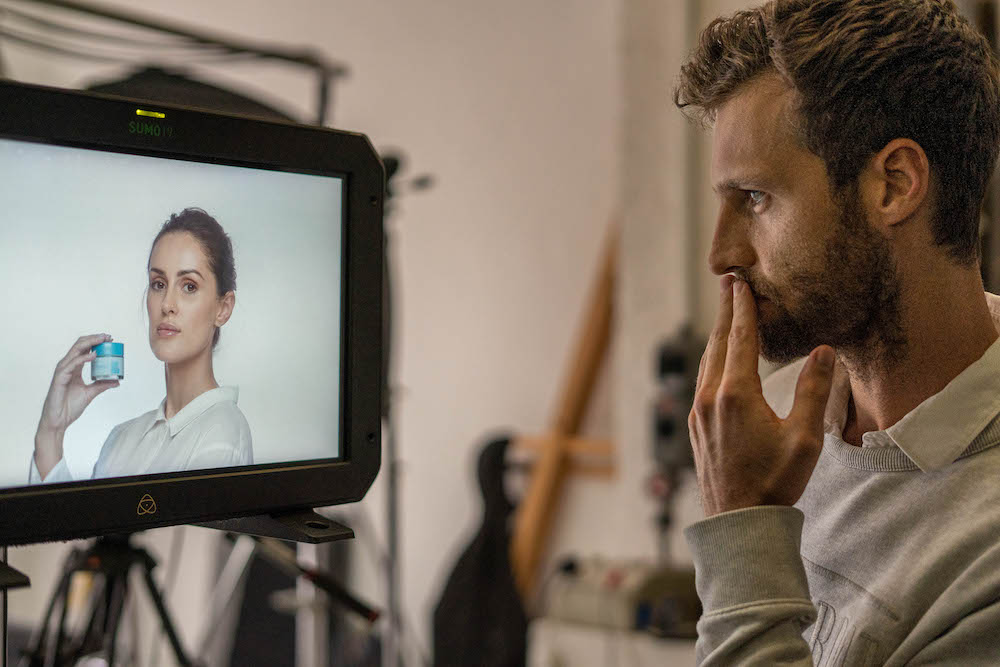
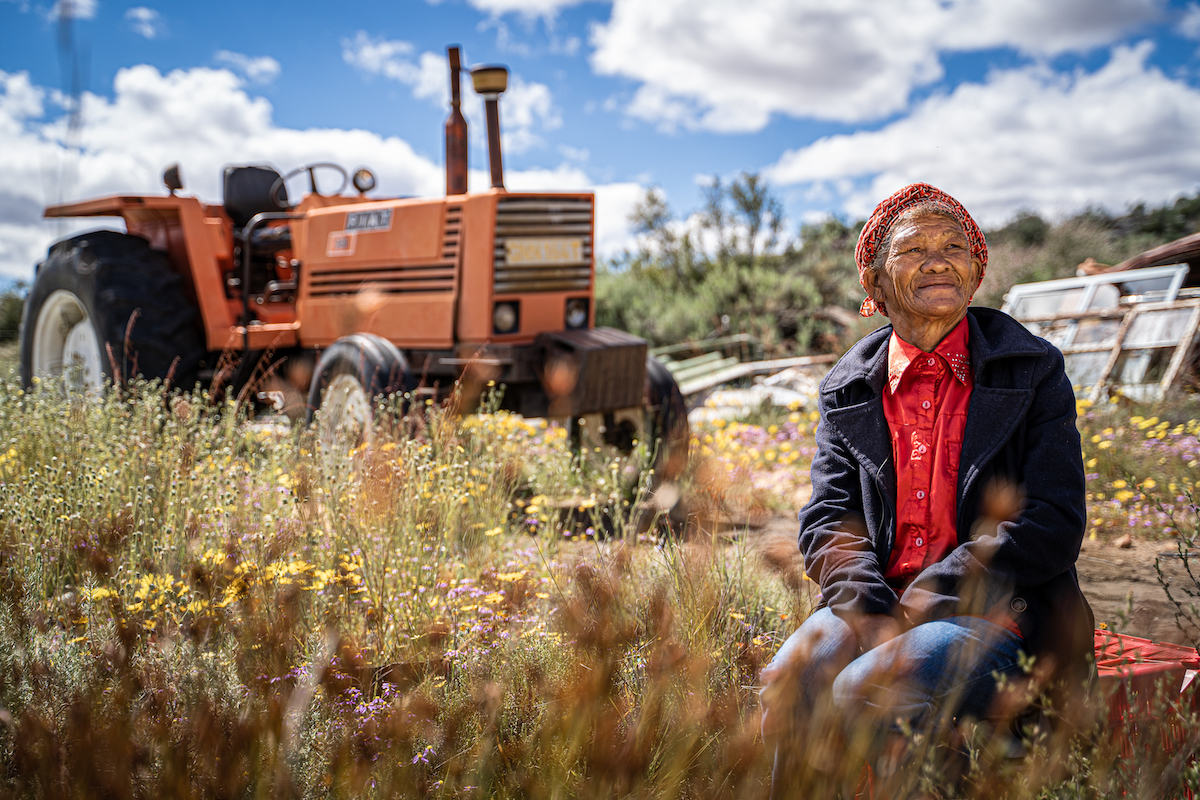
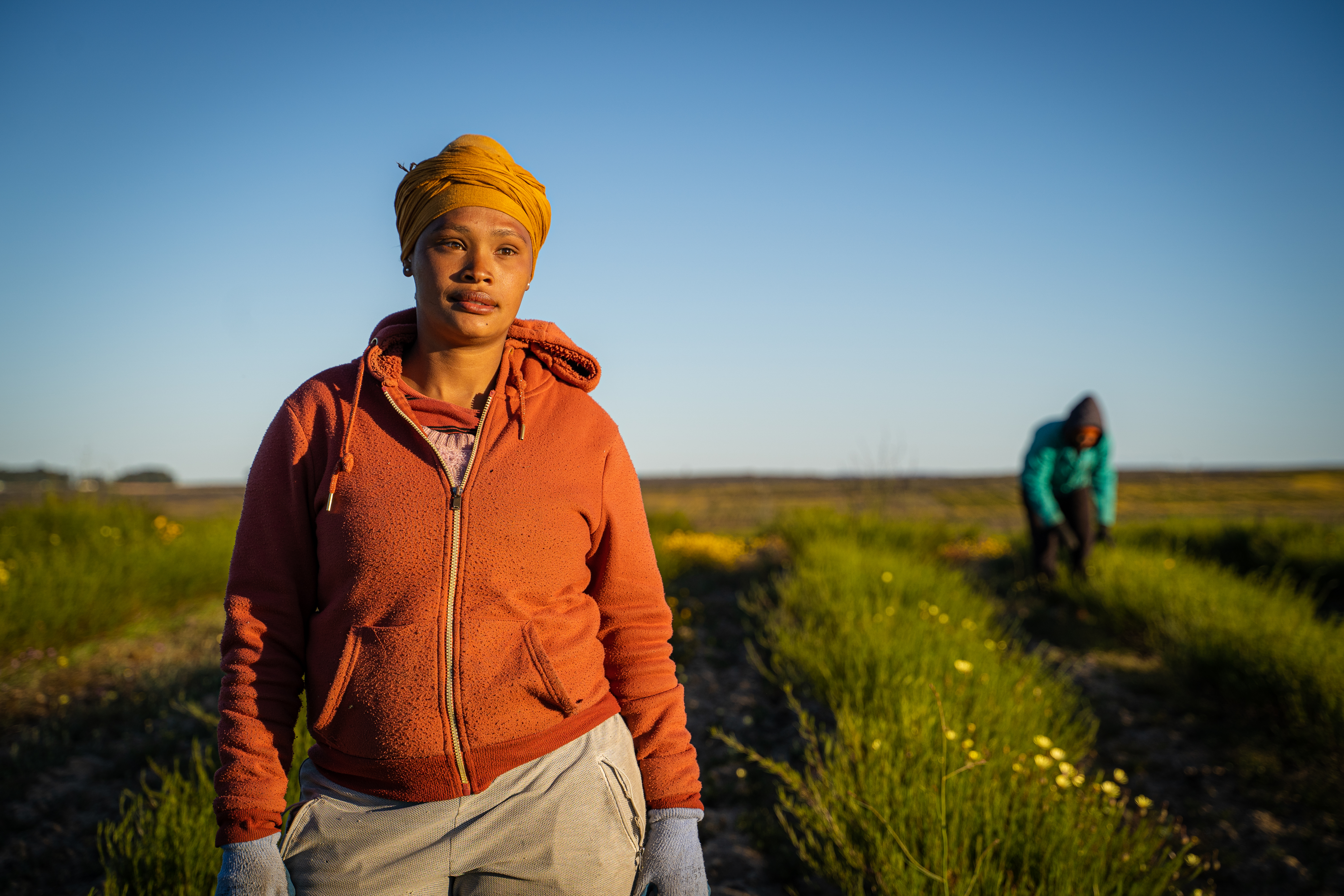
South Africa holds extraordinary contrast within a single city block - and as filmmakers and photographers working across this country, we carry a responsibility to represent that complexity honestly, not to smooth it over for the sake of a cleaner story.
The stories we choose to tell matter
It's easy to point a camera at only the version of South Africa that's comfortable to look at. We try to resist that - not by manufacturing conflict, but by refusing to edit out the contradictions that are actually there.
Some moments are impossible to look away from
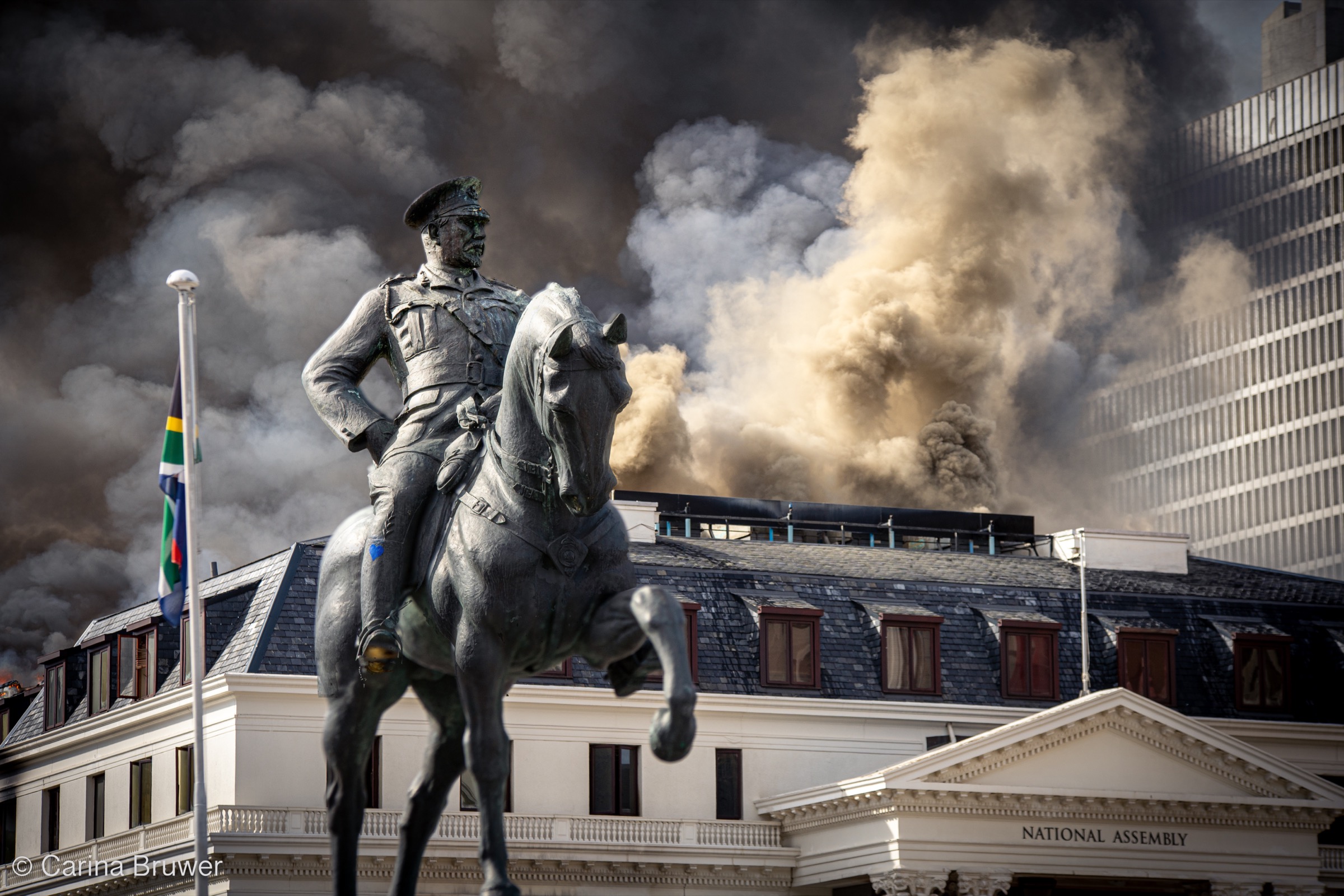
The fire that tore through Cape Town's Parliament buildings was one of those moments - a piece of the country's history burning in full public view, photographed and shared within minutes. Documentary and photojournalism work exists for exactly these moments: not to sensationalise them, but to make sure they're recorded honestly, as they actually happened.
Public dissent is part of the story too
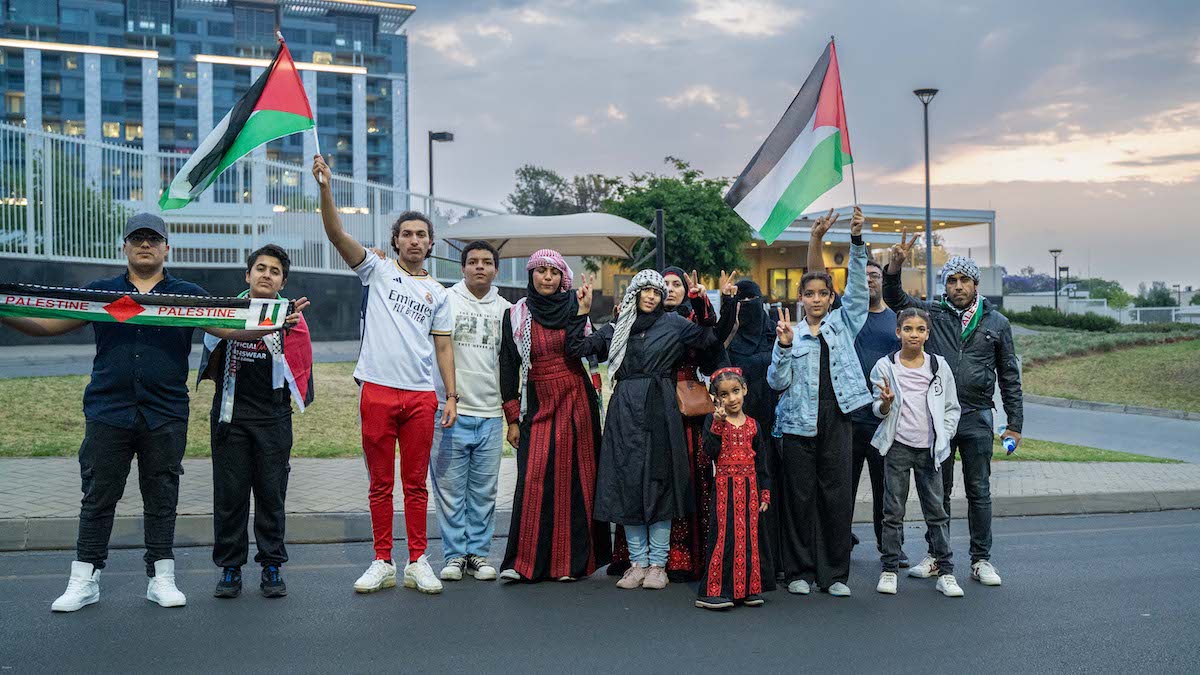
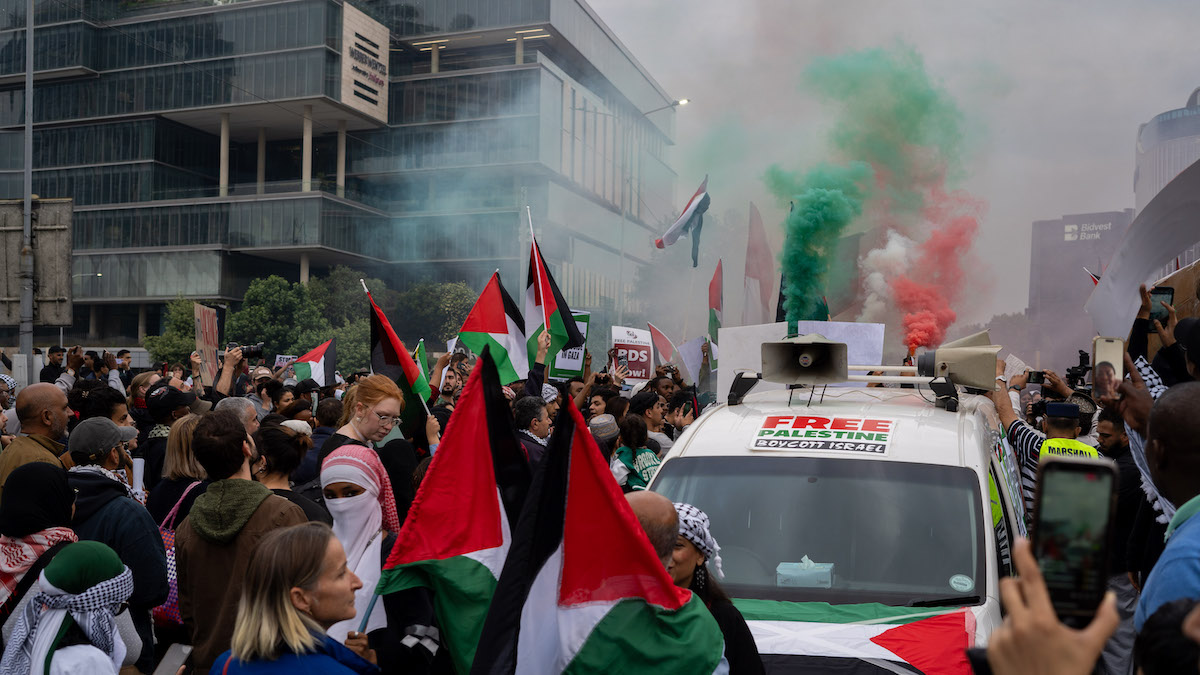
Protest and public demonstration are as much a part of South African life as anything else we photograph, and they deserve the same documentary seriousness we'd bring to any other assignment - not a passing glance, but genuine attention to what people are showing up to say.
Authenticity over polish, when it counts
Commercial work asks for polish. Documentary and social storytelling sometimes asks for the opposite - a willingness to leave the rough edges in, because they're part of the truth of the moment.
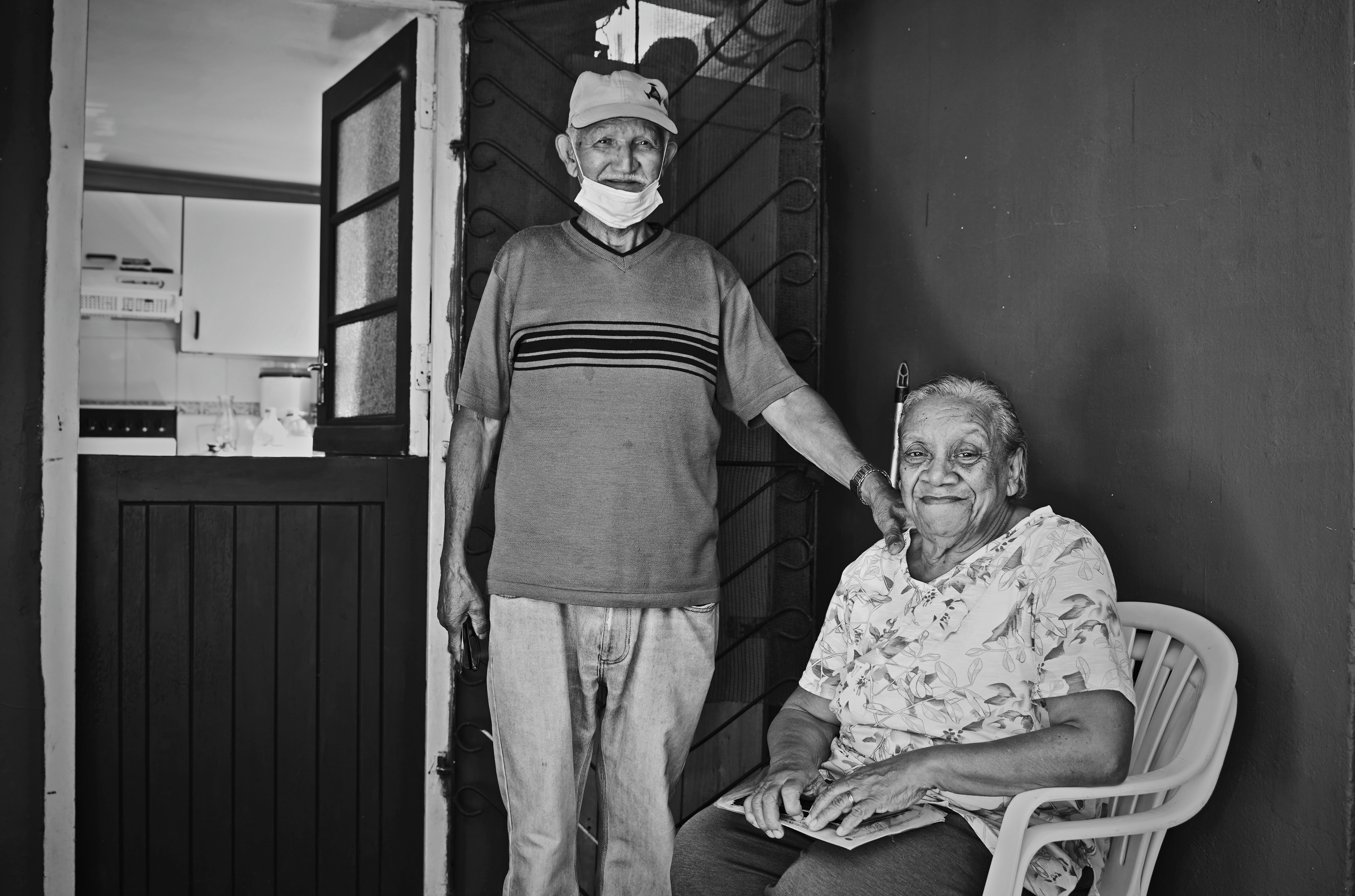
We don't always get the balance right, but it's a conversation we keep having on every project - because the alternative is telling easier stories that don't reflect where we actually live.