
Aerial footage adds scale that no ground-based camera can replicate - but it's also the part of a shoot day most likely to go wrong if it isn't planned properly. Airspace, weather, and safety all need sign-off before drone shots make it onto the schedule, and unlike a ground camera, a drone can be grounded entirely by conditions or paperwork that were never on the client's radar.
Permissions take longer than you'd think
CAA-certified operation means every flight near controlled airspace, private property, or populated areas needs the right clearances in place before the drone leaves the ground. Cape Town's proximity to Cape Town International Airport, several military and private airfields, and densely built-up areas means a meaningful share of city locations sit inside controlled or restricted airspace. We build permission applications into pre-production - often two to three weeks ahead of the shoot date - rather than treating it as a same-day formality.
Private property adds another layer: flying over a neighbouring property without consent, even briefly, can create liability regardless of your own permissions being in order. For property and estate shoots, we confirm boundary lines and neighbouring consent as part of the location scout, not as an afterthought once the drone is on-site.
Weather windows are non-negotiable
Wind, rain, and even harsh midday light can rule out a flight entirely. Most consumer and prosumer drones have a realistic operating ceiling around 20-25 knots of wind before footage quality and flight safety both degrade - and Cape Town's South-Easter can exceed that with little warning, particularly in summer. We always build a weather contingency day into aerial-heavy schedules; property and tourism shoots in particular depend on clear, well-lit conditions to look their best, and forcing a flight in marginal conditions produces footage that looks noticeably worse than ground shots from the same day.
Golden hour matters even more from the air
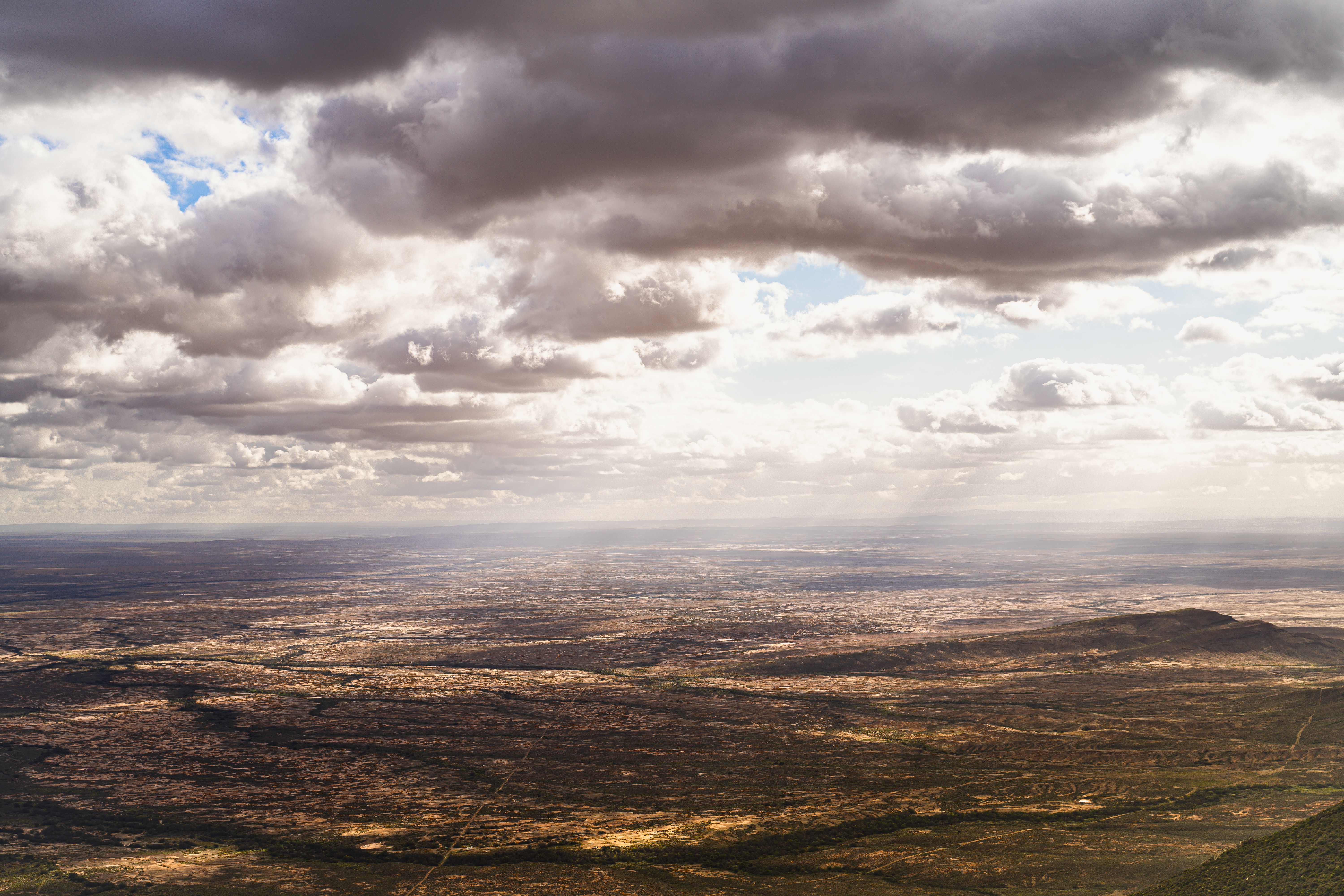
Low, warm light at sunrise or sunset reveals texture and shadow across a landscape or rooftop in a way that flat midday light simply doesn't. For drone video and drone photography covering property or tourism subjects, we schedule flights around these windows wherever weather and permissions allow, even if it means an early call time or splitting a shoot across two sessions.
It works best combined with ground footage
Aerial shots are most powerful as punctuation, not the whole story - a sweeping establishing shot cut against grounded, human-scale footage gives a project both scale and intimacy. A property video that's entirely aerial can feel cold and impersonal; cutting between an aerial reveal of the estate and a ground-level shot of light through a window tells a much richer story about the same property.
Industrial and construction sites need their own safety plan
Active industrial sites and construction projects bring a different set of constraints - restricted airspace over operating machinery, dust and crane activity, and site-specific safety inductions before a drone operator can even walk onto the property. For these projects, we coordinate directly with site management on flight windows that don't conflict with crane operations or scheduled work, and document safety sign-off as part of the production paperwork.
Frequently asked questions
How much lead time do you need to arrange drone permissions?
For most Cape Town locations, two to three weeks. Sites near controlled airspace or requiring third-party landowner consent can take longer, so we recommend flagging drone requirements as early as possible in the brief.
What happens if the weather doesn't cooperate on the shoot day?
We build a contingency day into any schedule with significant aerial content. If that's not possible, we prioritise ground coverage on the day and schedule a separate aerial-only session for when conditions clear.
Are your drone pilots licensed and insured?
Yes - our drone operations are CAA-certified and fully insured, and we handle all required flight permissions for the areas we film in.
Can drone footage be combined with a livestream or same-day edit?
Yes, though it needs to be planned for - aerial footage typically can't be streamed live in real time, so it's usually captured separately and cut into a same-day edit alongside ground footage.