
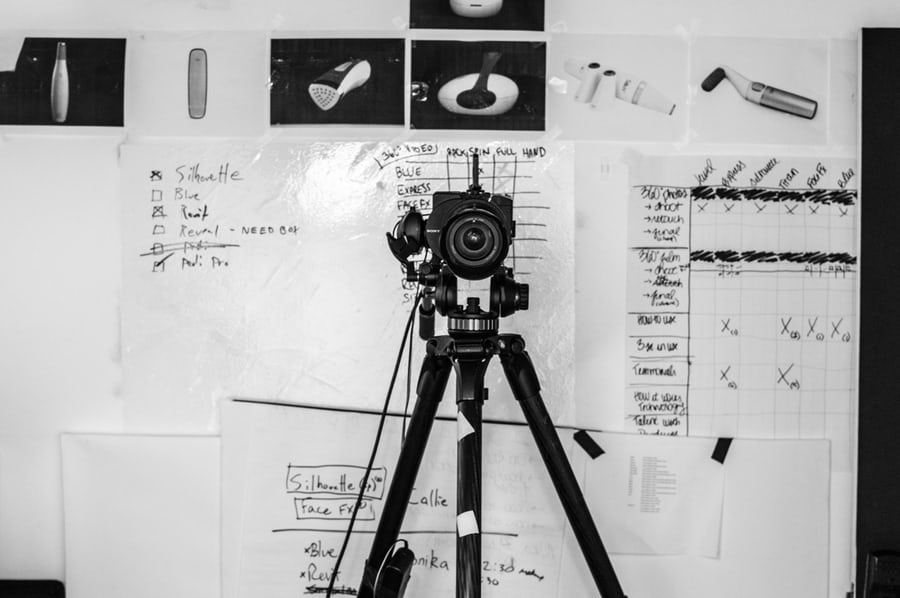
The single biggest predictor of a successful video project isn't the crew or the equipment - it's the brief. A vague brief produces a generic result, no matter how skilled the production team is, because every creative decision after that point is made without a clear standard to measure it against.
Start with the objective, not the format
"We need a corporate video" tells us far less than "we need something that builds investor confidence before our next results announcement." Give us the business outcome, and we can recommend the right format, length, and tone to achieve it - whether that's a corporate video, a promotional video, or something else entirely. Clients who lead with the format rather than the objective often end up with a video that technically matches the brief but doesn't actually solve the underlying business problem.
Reference examples save everyone time
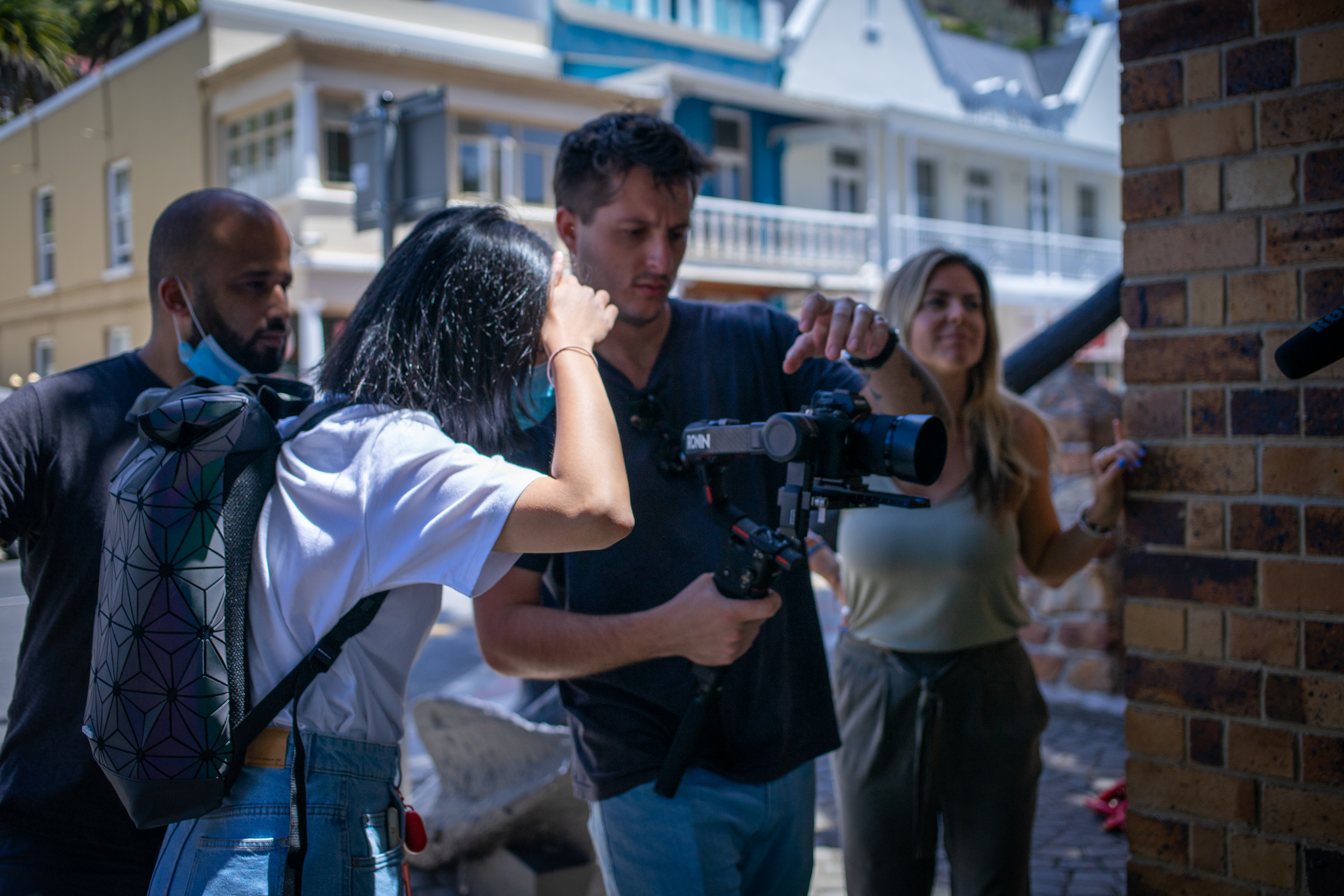
Two or three videos you like - even from unrelated brands - communicate tone and pacing far faster than a written description can. Tell us what specifically you like about each one: is it the pacing, the music, the way interviews are shot, the colour grade? Vague references ("something like that but better") are far less useful than specific, articulated preferences, even from a single ten-second clip.
Budget honesty gets you a better result, not a worse one
Clients sometimes withhold their budget out of a sense that revealing it early will lead to overspending. In practice, the opposite is usually true - knowing the real budget early lets us recommend the format and scope that will look best within it, rather than pitching an ambitious concept that has to be cut down mid-project once the numbers become clear.
Define who approves the final cut before production starts
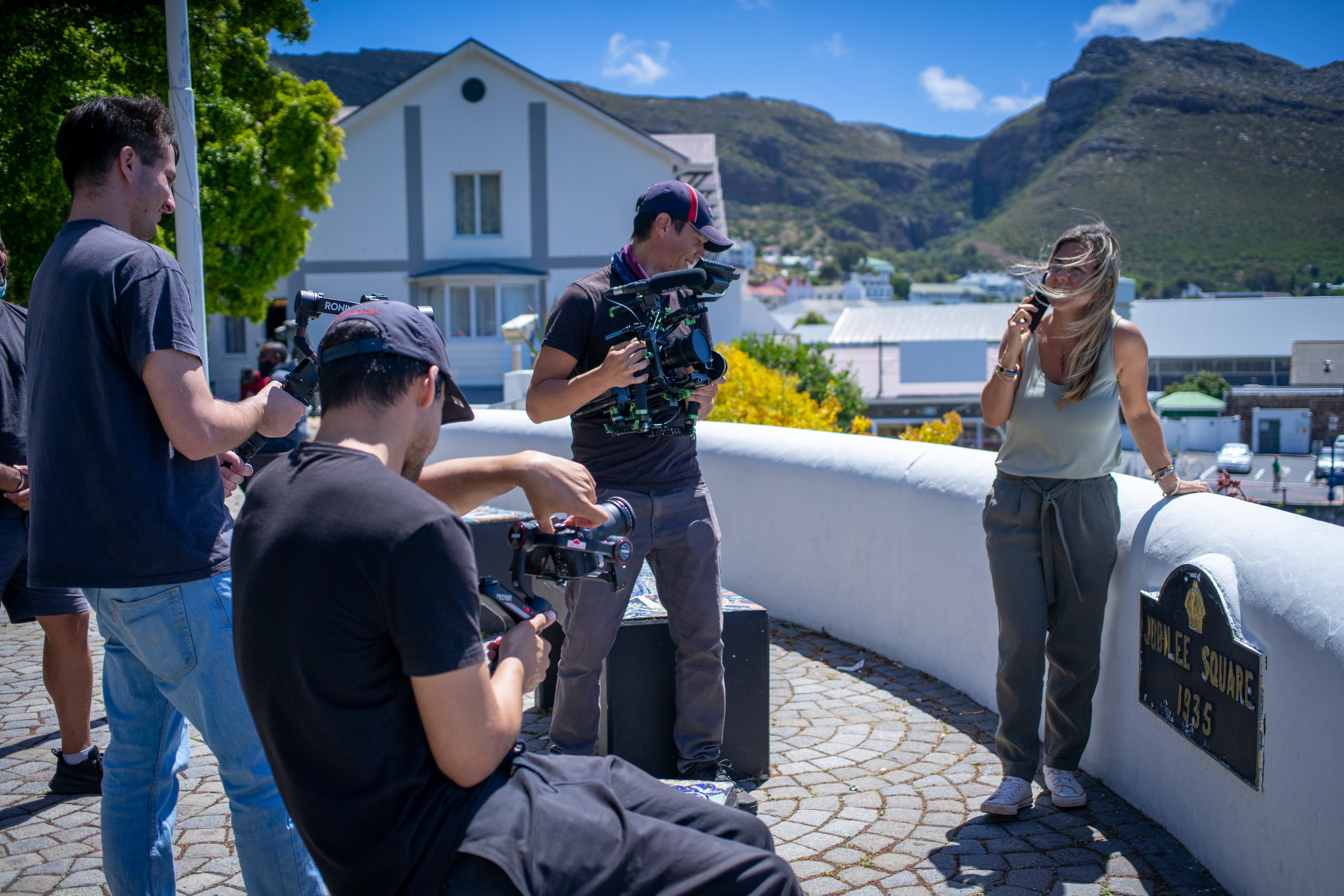
Multiple stakeholders with unclear approval authority is one of the most common sources of delay and scope creep in a video project. Naming a single decision-maker (or a clear approval process) before the shoot avoids a final week of conflicting feedback that forces re-edits nobody budgeted time or money for.
A good production company will push back on your brief
If we don't ask any questions after receiving your brief, that's a warning sign, not a compliment. The right questions at the brief stage - about audience, objective, distribution, and constraints - prevent the wrong assumptions from making it all the way to a final cut, where they're far more expensive to fix.
Frequently asked questions
What should a video brief include at minimum?
The business objective, target audience, where the video will be distributed, approximate budget, timeline, and any reference videos or brand guidelines. The more of these you can provide, the more accurate the proposal you'll receive.
How far in advance should we send a brief?
For most projects, four to six weeks before you need the final video, to allow time for concept development, scheduling, production, and post-production with a reasonable buffer for revisions.
Should we get quotes from multiple production companies?
It's reasonable to do so, but make sure each company is quoting against the same brief and scope - vague or inconsistent briefs across companies make quotes difficult to compare fairly.
What if we don't know exactly what format we need yet?
That's a normal starting point - describe the business problem you're trying to solve, and a good production company should help you land on the right format rather than requiring you to specify it upfront.