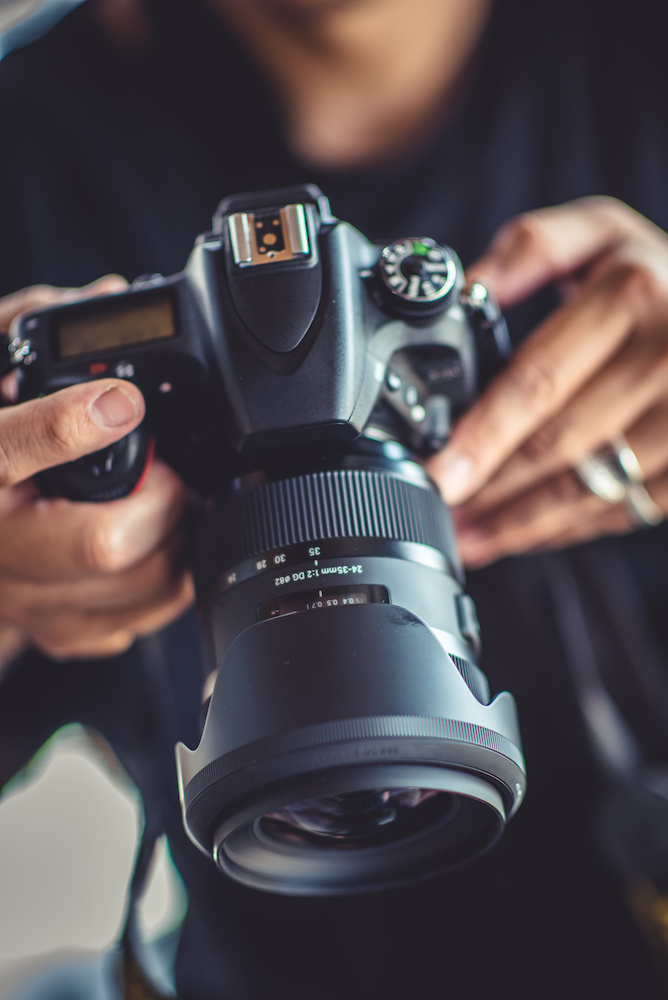
"We need a photographer" is the start of a brief, not the end of one. Corporate photography and event photography use overlapping equipment but require almost opposite skills - one is controlled and repeatable, the other is fast and unscripted. Booking the wrong skill set for the job usually shows up in the results: a rushed, inconsistent set of headshots, or a stiff, over-posed set of event images that miss the actual energy of the room.
Corporate photography is about consistency
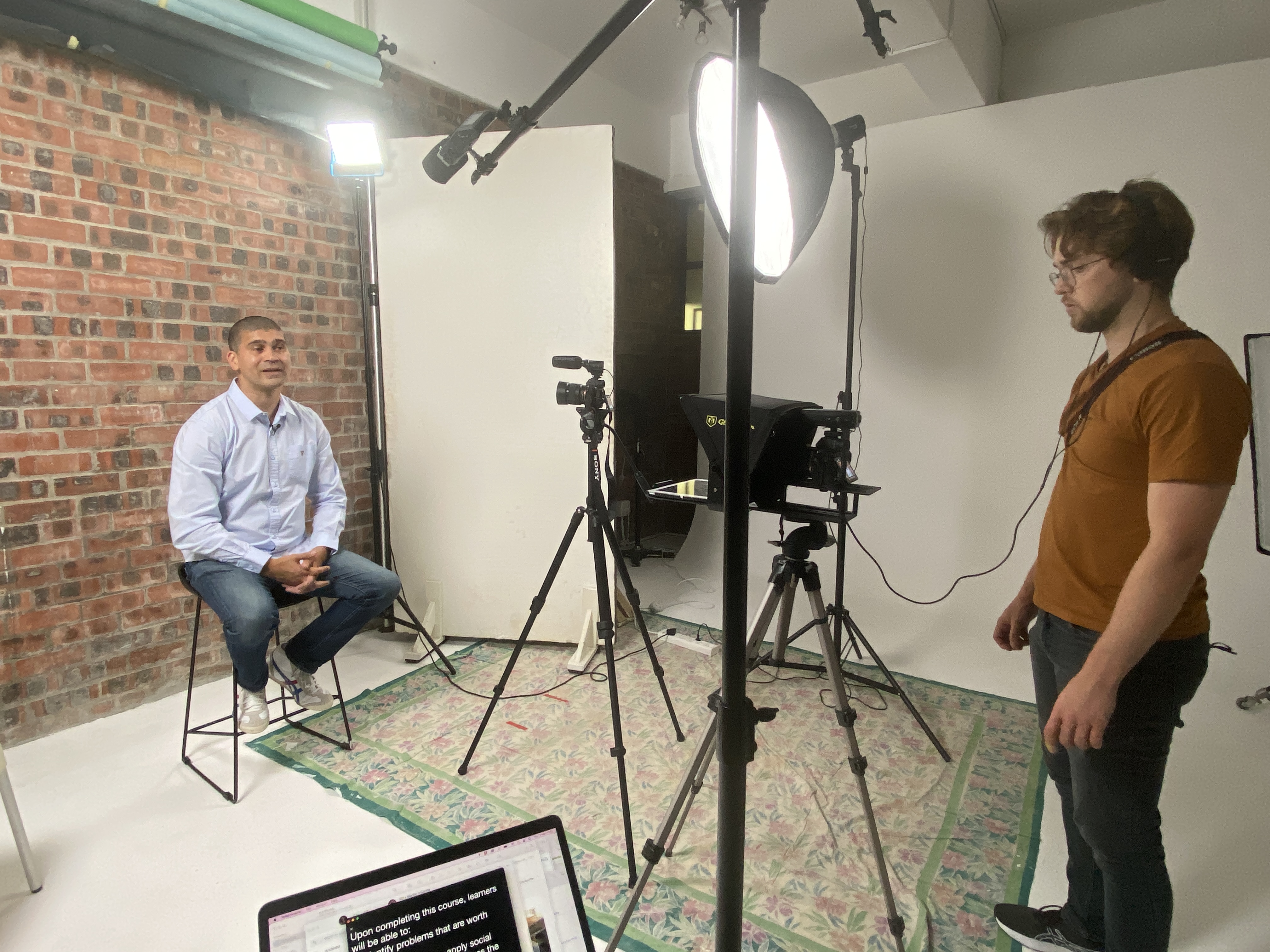
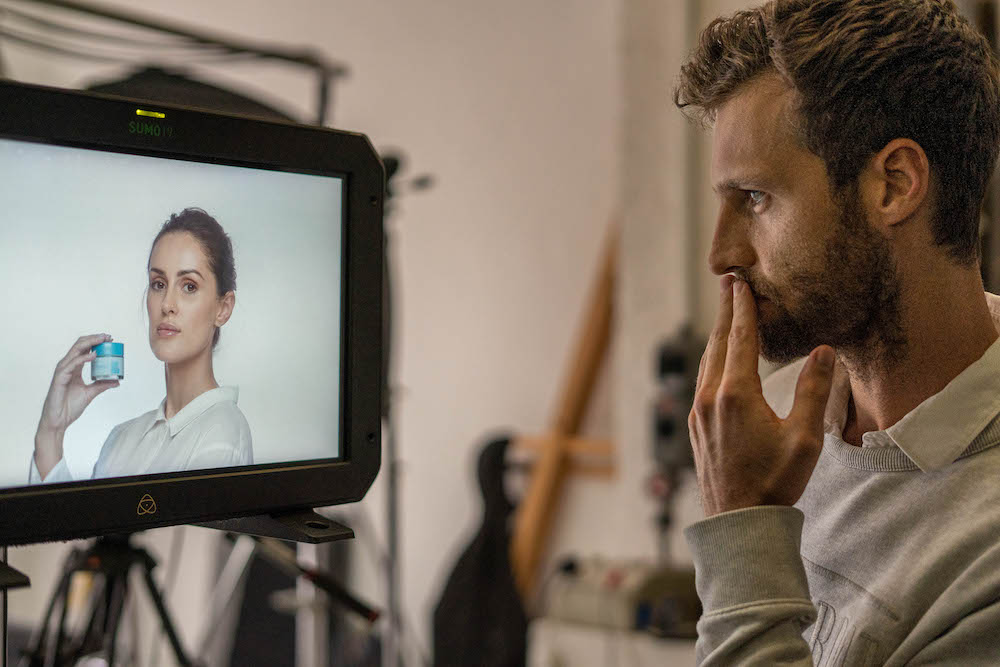
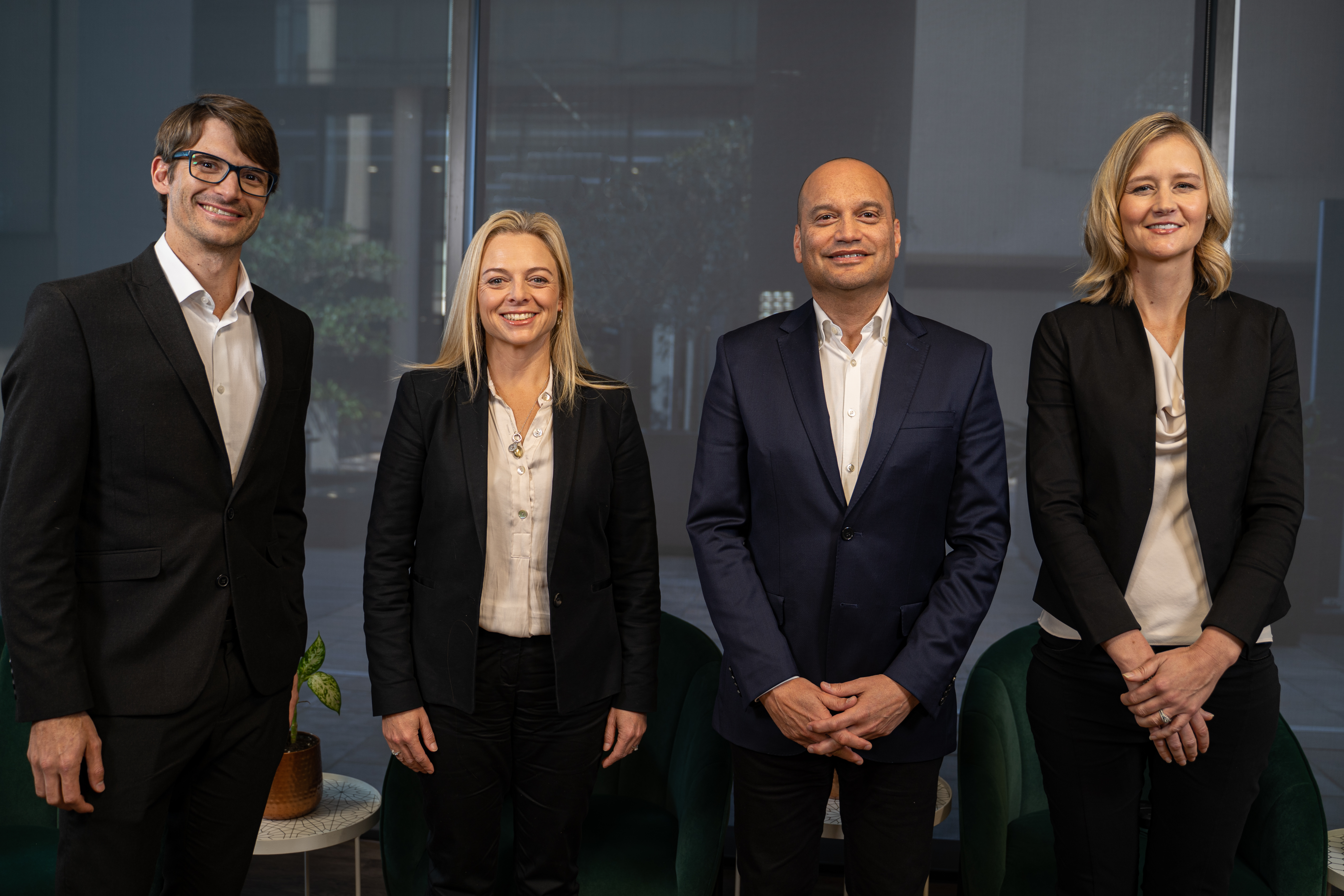
Executive portraits and team photo days depend on a controlled, repeatable setup - the same lighting, background, and framing for every person in the sequence, so the final set of images looks cohesive across your whole website or annual report. This means the photographer's job starts well before the first person sits down: metering the light, testing the background, and locking camera settings so that person one and person forty look like they belong in the same set.
The pacing is also different. A corporate session usually runs on a schedule - ten to fifteen minutes per person - with brief, specific direction rather than the extended rapport-building a portrait session might use. The goal isn't to capture someone's whole personality in one image; it's to produce a clean, professional, on-brand result quickly and consistently across an entire team.
Event photography is about instinct
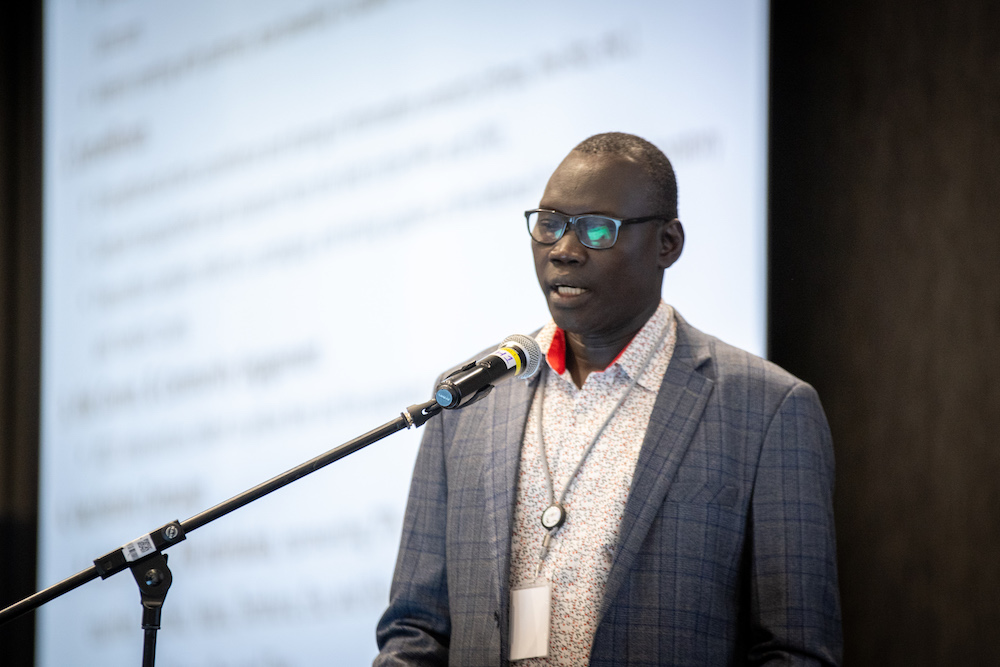
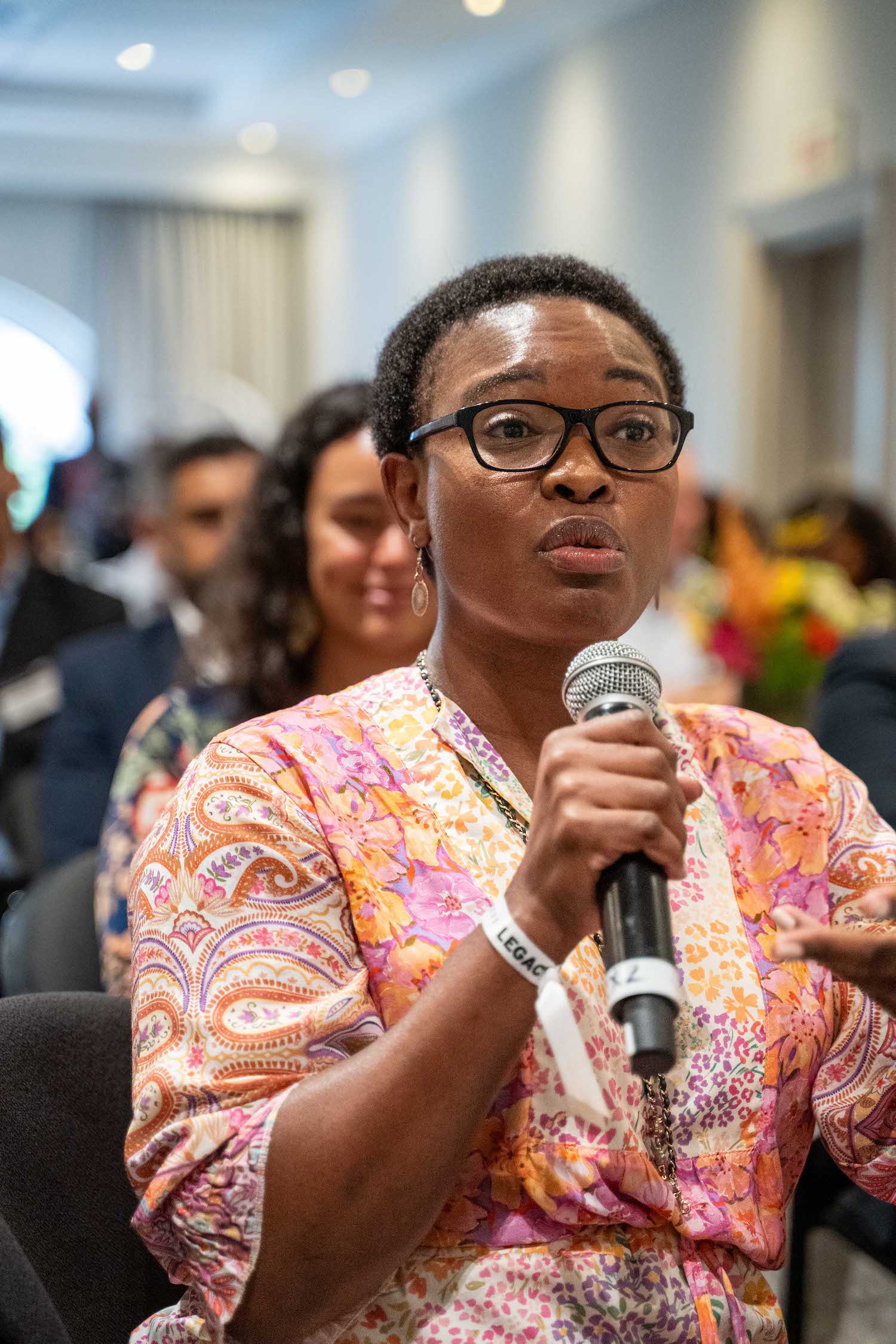
A conference or gala photographer never gets a second take. The skill is reading a room, anticipating a moment before it happens, and moving through a live event without disrupting it - very different muscles from a controlled studio session. Where corporate photography rewards patience and precision, event photography rewards speed and situational awareness: knowing which speaker is about to make an emphatic gesture, or which award recipient's reaction is about to be worth capturing, half a second before it happens.
Equipment choices reflect this too. Event photographers typically work with faster lenses and higher ISO tolerance to handle unpredictable, often low, ambient lighting without a controlled studio setup, and they carry backup bodies rather than relying on a single camera the way a static headshot session might.
When you genuinely need both
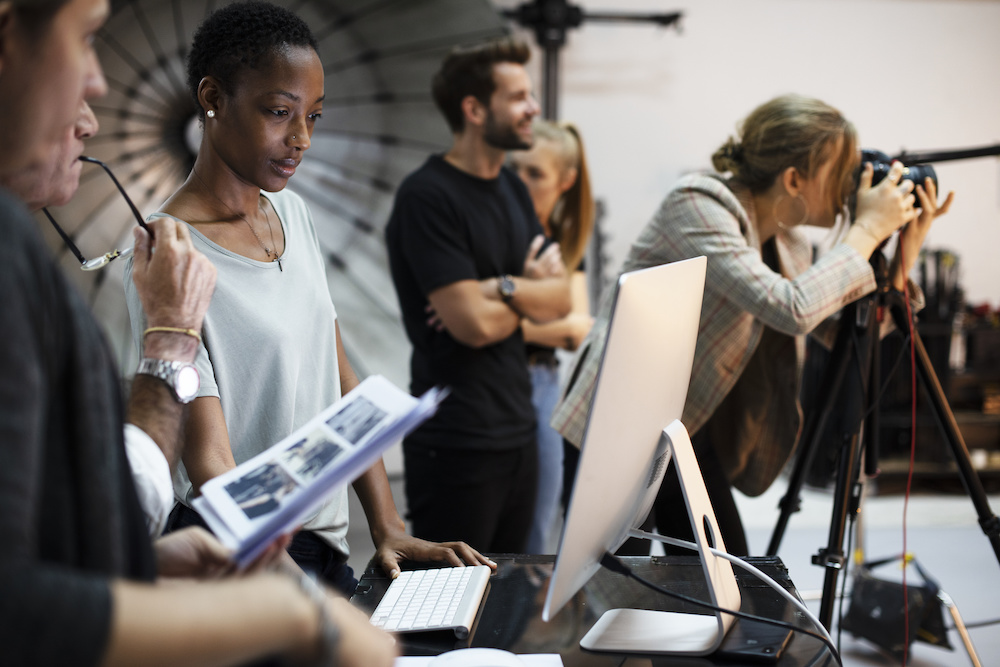
Some briefs genuinely need both - a conference with executive headshots taken on the sidelines is common, particularly when a company wants updated leadership photography and is already flying executives in for the event. We plan for it as two distinct workflows within the same day rather than trying to force one photographer's setup to do both jobs: a quiet corner with controlled lighting for the headshot sequence, and full mobility through the venue for event coverage.
How this affects your budget and timeline
Corporate photography is usually quoted per person or per session with a predictable timeline, since the variables are known in advance. Event photography is quoted per hour or per day of coverage, because the value delivered depends on how much of the event unfolds in front of the camera - a longer programme with more sessions naturally needs more coverage hours to capture properly.
Frequently asked questions
Can the same photographer do both corporate and event photography well?
Some can, but it's a genuinely different skill set, and we recommend confirming a photographer's experience in the specific format you need rather than assuming general photography experience covers both equally well.
How far in advance should we book event photography?
For conferences and galas, four to six weeks is a comfortable lead time, though we can accommodate shorter notice depending on availability.
Do you provide same-day image delivery for events?
Yes - we offer same-day social media delivery of lightly edited selects, with the full retouched gallery following within 48-72 hours.
How often should we refresh our corporate headshots?
Roughly every two years, or sooner if there's been a significant change in team composition, branding, or someone's appearance that makes an old photo feel noticeably out of date.